

Powering Business Continuity: Top 5 Commercial Uses for SLA Batteries
- by Joe Weber - updated on 1/16/2026
Key Takeaways
- Uninterruptible Power Supply (UPS) systems are the largest commercial driver for SLA usage, protecting data centers and IT infrastructure.
- Security and Fire systems rely almost exclusively on SLA batteries for code-compliant backup power.
- AGM (Absorbent Glass Mat) is the preferred SLA variant for high-discharge applications like UPS, while Gel is better for deep-cycle industrial tools.
- Cost-efficiency and safety (non-spillable design) make SLA the preferred choice for indoor commercial environments.
Reliable power is the silent backbone of modern business. Whether it is protecting critical data during a blackout or ensuring a hospital ventilator keeps running, Sealed Lead Acid (SLA) batteries are the unsung heroes of commercial infrastructure.
While lithium technology makes headlines, SLA batteries remain the industry standard for cost-effective, reliable, and safe power storage across a vast range of commercial sectors. This guide explores the most critical applications for SLA technology and why businesses continue to rely on them.
1. Uninterruptible Power Supply (UPS) Systems
For IT managers and facility directors, downtime is not an option. The most prevalent commercial use of SLA batteries is in Uninterruptible Power Supply (UPS) units.
From small network closets to massive enterprise data centers, UPS systems bridge the gap between a power outage and the activation of a backup generator. SLA batteries—specifically High-Rate AGM models—are favored here because they can deliver a massive burst of energy instantly.
- Commercial Value: Prevents corruption of mission-critical databases and hardware damage during voltage spikes.
- Common Battery Type: High-Rate AGM (12V 7Ah, 12V 9Ah, and larger modular banks).
2. Commercial Security and Access Control
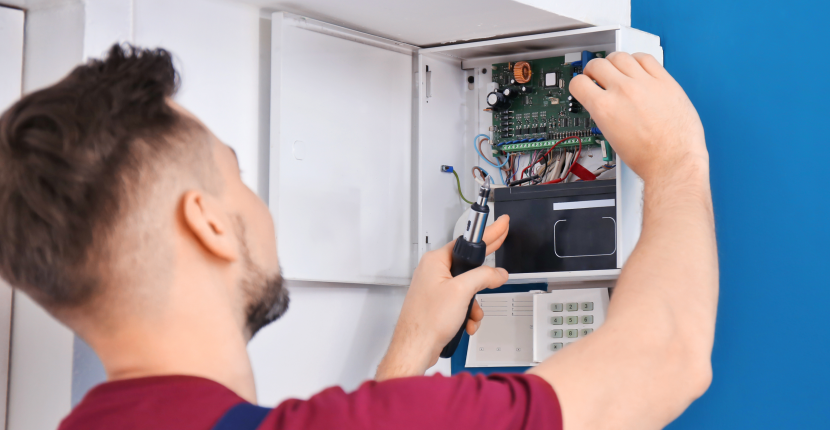
Physical security is a 24/7 requirement. If the grid goes down, your intrusion detection, CCTV cameras, and access control systems (maglocks and badge readers) must remain operational.
Most commercial security panels are engineered specifically to house and charge 12V SLA batteries. These batteries provide the "standby power" necessary to keep the facility secure until grid power is restored.
- Commercial Value: Maintains insurance compliance and asset protection during off-hours power failures.
- Common Battery Type: General Purpose AGM (12V 4Ah to 12V 8Ah).
3. Fire Alarm and Life Safety Systems
Building codes (such as NFPA standards) strictly regulate backup power for fire control panels and emergency lighting.
In the event of a fire that cuts main power, illuminated exit signs and smoke detection systems must function for a mandated period (often 90 minutes). SLA batteries are the industry standard here due to their long "float life"—they can sit fully charged for years, ready to activate the moment they are needed.
- Commercial Value: Ensures regulatory compliance and occupant safety; avoids heavy fines from fire marshal inspections.
- Common Battery Type: General Purpose AGM (6V and 12V varieties).
4. Medical Devices and Healthcare Equipment
In healthcare, battery reliability is literally a matter of life and death. Hospitals and clinics utilize a variety of SLA batteries for a variety of mobile and backup applications.
Because SLA batteries are sealed and spill-proof, they are safe for use in sterile, patient-proximate environments where leaking acid (from flooded batteries) would be a hazard.
- Applications: Patient lifts, mobile diagnostic carts, backup for ventilators, and powered wheelchairs or scooters.
- Common Battery Type: Deep Cycle AGM or Gel (for mobility).
5. Industrial Cleaning and Material Handling
Facility management relies on powered equipment to maintain cleanliness and efficiency. Industrial floor scrubbers, burnishers, and pallet jacks run on heavy-duty battery banks.
Unlike the "standby" applications above (UPS/Security), these machines require Deep Cycle SLA batteries. These batteries are designed to be fully drained and recharged hundreds of times, providing consistent power for long shifts.
- Commercial Value: Low maintenance compared to flooded lead-acid (no watering required), protecting expensive warehouse flooring from acid spills.
- Common Battery Type: Deep Cycle AGM or Gel (12V 35Ah up to 12V 100Ah+).
Why Businesses Choose SLA Over Lithium
With the rise of Lithium Iron Phosphate (LiFePO4), why do commercial industries still buy SLA?
- Lower Upfront Capital Expenditure: SLA batteries are significantly cheaper to purchase initially. For businesses replacing hundreds of units (like in a data center), this CAPEX difference is massive.
- Standardized Fitment: Millions of commercial devices were designed around the specific dimensions of SLA cases. Retrofitting these with lithium often requires expensive modifications.
- Proven Safety: SLA chemistry is stable, non-flammable, and easily recyclable (lead-acid is one of the most recycled products in the world).
How Batteries Plus Solves Commercial Power Challenges
Managing a facility's power needs shouldn't be a logistical headache. At Batteries Plus, we combine national buying power with local service to support your business continuity.
We understand that when a security system fails or a scrubber goes down, you cannot wait weeks for a shipment.
- Immediate Availability: With over 700 locations, we have the SLA inventory you need, when you need it—minimizing costly downtime.
- Recycling Compliance: We make end-of-life simple. Bring us your spent lead-acid batteries for safe, environmentally compliant recycling.
- Expert Consultation: Unsure if you need AGM or Gel? Our battery experts ensure you get the right chemistry for the right application, extending the life of your equipment.
Ready to secure your backup power?
- Shop All SLA Batteries to find the exact replacement you need for your facility.
- Visit Your Local Store to speak with an expert and pick up your order today.
Frequently Asked Questions (FAQ)
Q: How often should commercial SLA batteries be replaced?
A: In standby applications (UPS, Security), the typical lifespan is 3 to 5 years. However, high temperatures (above 77°F/25°C) can cut this lifespan in half. We recommend annual load testing.
Q: Can I use a car battery for my building's security system?
A: No. Car batteries are designed for "starting" (short bursts). Security systems require "deep cycle" or "general purpose" capabilities to provide steady power for hours. Using a car battery can damage commercial electronics and void warranties.
Q: What is the difference between AGM and Gel batteries for business use?
A: AGM (Absorbent Glass Mat) is best for high-current standby use like UPS and general backups. Gel batteries are better suited for deep-cycle applications where the battery is drained daily, such as wheelchairs or solar-powered remote monitoring stations.
Q: Are SLA batteries hazardous to store in an office?
A: Sealed Lead Acid batteries are "valve-regulated" (VRLA) and non-spillable. They are generally safe for office environments, provided they are not physically damaged and are kept away from extreme heat sources.