

Follow Batteries Plus


Small Cell Battery Buying Guide
Small cell batteries (often called button or coin cells) power some of our most critical daily devices, yet they are among the most misunderstood battery types on the market.
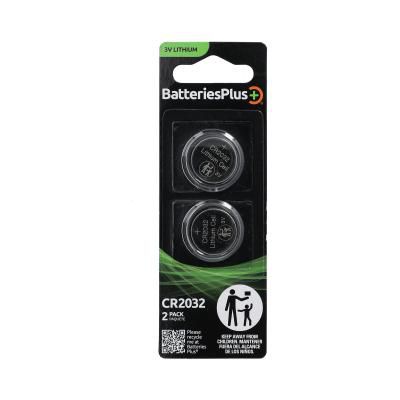
- Decipher the Code: The letters and numbers on the battery tell a precise story (e.g., CR2032 means Chemical Lithium, Round, 20 mm wide, and 3.2 mm thick). Matching this exact designation is critical.
- Prioritize Safety: Small cells are highly dangerous if swallowed. Protect your household by choosing brands that offer bitter taste coatings and child-resistant packaging compliant with Reese's Law.
- Avoid Bulk "Bargains": Cheap, unbranded online batteries are prone to rapid drain, being dead-on-arrival (DOA), or leaking corrosive chemicals that ruin expensive electronics.
- AirTag Quick Fix: If a new premium battery isn't working in an Apple AirTag, wipe both sides of the cell with an alcohol wipe to remove the non-toxic bitterant coating blocking the contact points.
The Small Cell Dilemma
Have you ever opened up a key fob, a calculator, or a small home sensor, stared at a tiny silver disc, and thought, "What the heck is this, and how do I replace it?"
If so, you are not alone. Replacing a small cell battery typically introduces two distinct hurdles:
- Identification Confusion: Navigating a confusing web of letters and numbers (e.g., CR2032, DL2032, LR44, AG13) to find the exact matching replacement.
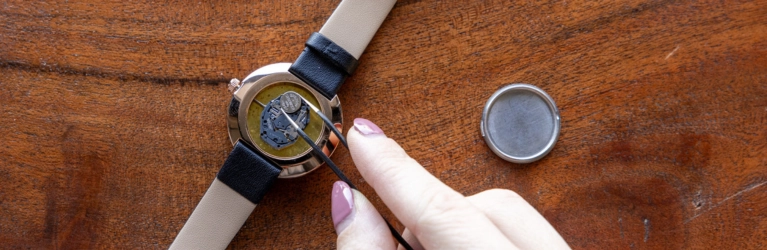
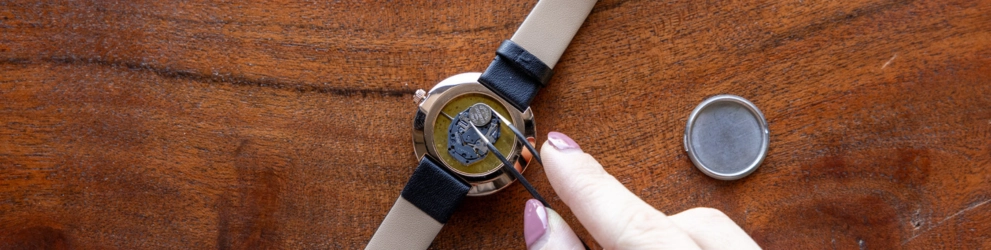
- Access Obstacles: Trying to figure out how to safely pry open a tiny, delicate plastic housing without snapping the clips or damaging the internal circuit board.
Common Applications: What Do Small Cells Power?
Small cell batteries are the unsung heroes of modern micro-electronics. They are widely used in a variety of industries and household items:
| Category | Typical Devices |
|---|---|
| Automotive | Car key fobs, keyless entry remotes |
| Wearables & Jewelry | Wristwatches, fitness trackers |
| Household & Measurement | Digital kitchen scales, bathroom scales, calculators |
| Smart Home & Tracking | Apple AirTags, tile trackers, security door/window sensors |
| Medical Devices | Hearing aids, digital thermometers, glucose meters |
| Leisure & kids | Small toys, LED novelties, singing greeting cards |
The Top 6 Small Cell Batteries
-
High Performance
-
High Performance
-
High Performance
Critical Safety: The Ingestion Hazard
Because of their size and shiny appearance, small cell batteries pose a serious hazard to curious children and household pets.
 Safety first
If swallowed, a small cell battery can get lodged in the esophagus or digestive tract. Electrical current can react with bodily fluids to create caustic soda (sodium hydroxide), causing severe, life-threatening internal chemical burns in as little as two hours.
Safety Innovations: Bitter Coatings & Premium Packaging
- Bitter Taste Coating: Reputable brands (such as Duracell) apply a non-toxic, extremely bitter coating to the surface of the coin cell (usually utilizing denatonium benzoate, the bitterest known chemical compound). If a child or pet puts the battery in their mouth, the intensely unpleasant taste immediately triggers a spitting reflex, helping to prevent accidental swallowing.
- Child-Safe Security Packaging: High-quality batteries use heavy-duty, double-blister packaging that is intentionally difficult to open without scissors. This ensures that loose cells stay securely out of reach of children and pets. When buying batteries, always choose brands that prioritize these combined safety features.
- Reese's Law Compliance: This protective packaging is not just a best practice—it is backed by federal mandate under Reese's Law . This legislation requires strict, child-resistant packaging for all button cell and coin batteries, alongside prominent warning labels on packaging and any battery-powered consumer products to prevent ingestion hazards.
Identifying the Right Battery
If you are replacing a battery yourself, you must understand how manufacturers label their cells. The prefix letters tell you the exact chemical composition, which dictates the voltage and behavior of the battery.
Deciphering the Chemistry Prefixes
- "CR" (Lithium): High-energy, long-lasting 3.0V cells. They have a flat discharge rate and excellent shelf life, making them standard for key fobs, smart trackers (AirTags), and memory backups.
- "LR" (Alkaline): Standard, budget-friendly 1.5V cells. Their voltage drops gradually as they drain. They are commonly used in toys, calculators, and simple flashlights (e.g., LR44).
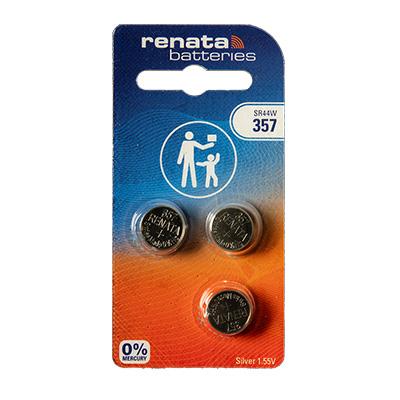
- "SR" (Silver Oxide): Premium 1.55V cells. They maintain an incredibly stable, flat voltage until they are completely depleted. This makes them ideal for precision devices like analog watches, digital calipers, and medical equipment (e.g., SR44 or SR626).
- "PR" / "ZA" (Zinc-Air): Typically 1.4V cells. These batteries use atmospheric oxygen to generate power and are activated by peeling off a protective colored tab. They are almost exclusively used for hearing aids due to their high energy capacity.
Decoding the Numbers
For Coin Cells (e.g., CR2032, CR2016)
Once you know the chemistry prefix, the subsequent numbers tell you the precise physical size:
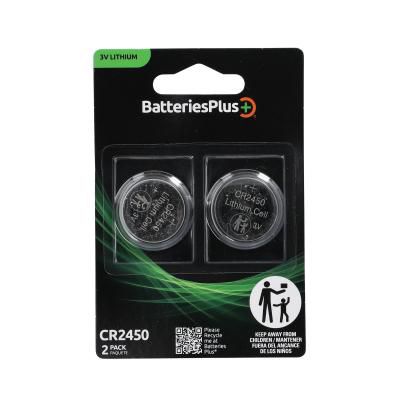
- The first two digits represent the diameter in millimeters. (e.g., "20" means 20 mm).
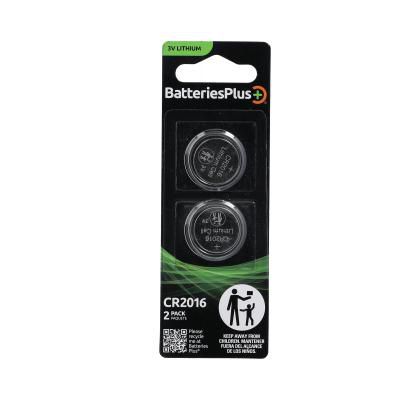
- The last two digits represent the thickness/height in tenths of a millimeter. (e.g., "32" means 3.2 mm, while "16" means 1.6 mm).
For Button Cells (e.g., LR44, SR44)
Unlike coin cells, traditional button cells often use standardized model numbers. For instance, an LR44 (Alkaline) and an SR44 (Silver Oxide) are the same size (11.6 mm x 5.4 mm), but have different chemical compositions and discharge profiles.
Cross-Referencing
Different manufacturers sometimes use different naming conventions for the same physical battery. For example, a CR2032 can often be replaced by a DL2032. If you are unsure, consult a cross-reference chart or ask a specialist to match the battery chemistry, voltage, and physical dimensions.
DIY vs. Professional Installation
While some battery compartments are easy to open, others are deliberately sealed tight to maintain water resistance or prevent accidental opening.
- When to DIY: The device has a simple slide-off battery door or an obvious screw compartment (like many remote controls or toys).
- When to Get Professional Help: The device is water-resistant (like a dive watch or sports tracker). Opening these improperly can ruin the waterproof gasket seal.
- There are no visible screws, meaning the plastic is clipped together under high tension (common in car key fobs).
- You do not have the micro-screwdrivers or plastic prying tools required to open the casing.
Pro Tip
At Batteries Plus, you can simply hand over your device. The team can safely open the housing, test the old battery to diagnose if it is truly dead, select the exact premium replacement, and install it securely. Remember, you’re going to find experts like Dustin ready to help you out, right in your neighborhood!
Responsible Disposal & Recycling
Small cell batteries contain valuable metals and chemicals that should never be thrown into standard household trash.
- Environmental Impact: Safely recycling batteries prevents hazardous chemicals from leaching into landfills and soil.
- How to Recycle: Collect your spent small cells in a secure container (keep them out of reach of children). When you have a few, drop them off at a designated recycling station or your local Batteries Plus store, where they will be recycled safely and sustainably.
Shop Online or Visit Your Local Store Today
Find the perfect small cell battery for your device. Shop our extensive selection online, or stop by for expert, hands-on help today.




Frequently Asked Questions
This is a very common issue with premium batteries (such as Duracell) that have a bitter taste coating. The non-toxic coating is applied to the negative terminal and can sometimes align perfectly with the AirTag's internal contact terminals, acting as an insulator and blocking the flow of electricity.
- The Fix: Simply wipe both sides of the battery down with an alcohol prep pad or a damp cloth to remove the bitter coating from the electrical contact points. Let it dry completely, and it should power your AirTag perfectly.
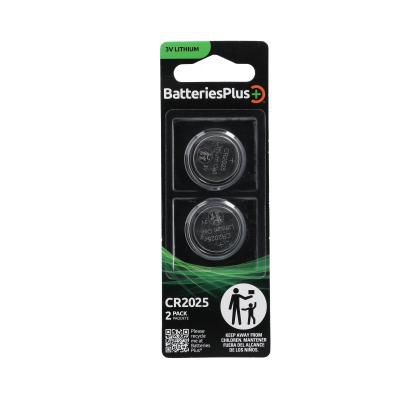
No, you should not swap them. While both are 3.0V Lithium batteries with a 20 mm diameter, they have different thicknesses. A CR2025 is 2.5 mm thick, whereas a CR2032 is 3.2 mm thick. Using the thinner CR2025 in a compartment designed for a CR2032 will likely cause loose physical contact, leading to intermittent power losses or preventing the device from turning on at all.
Storage shelf life varies depending on the battery chemistry:
- Lithium (CR): Up to 10 years when stored in a cool, dry place.
- Silver Oxide (SR): Approximately 2 to 5 years.
- Alkaline (LR): Approximately 2 to 3 years.
- Zinc-Air (PR): Approximately 2 to 3 years (keep the protective sticker tab firmly on until you are ready to use them!).
Treat this immediately as a medical emergency.
- Act Fast: Go to the nearest emergency room immediately. Do not wait for symptoms to appear.
- Do Not Induce Vomiting: This can cause further damage to the esophagus.
- Do Not Eat or Drink: Keep their stomach empty until medical professionals can run an X-ray to locate the battery.
- Call Help: If in the U.S., you can also call the National Battery Ingestion Hotline at 1-800-498-8666 for immediate, step-by-step guidance.